Getting Started in Falconry in the UK: A Beginner's Guide to Licences, Kit and First Steps
Falconry has a way of getting under your skin. You might have watched a kestrel hover over a motorway verge, or spent an afternoon at a country show watching a Harris hawk glide inches above the crowd, and thought: I want to do that properly. The good news is that there is nothing stopping you. The less good news is that falconry rewards patience, and the first year is mostly about learning rather than flying. This guide sets out the ground you need to cover, in roughly the order you should cover it.
Understand what falconry actually involves
Before you spend a penny, be honest about what you are signing up for. A bird of prey is not a pet that happens to fly. It is a working animal with a demanding daily routine: weighing, feeding, exercising, manning, and cleaning up after it. That routine does not pause for holidays, hangovers or a busy week at work.
You will also spend far more time on husbandry than on hunting. Most falconers will tell you the same thing — the flight is the reward, but the preparation is the job. If you enjoy early mornings, quiet fields and the slow business of building trust with an animal that owes you nothing, you will take to it. If you want a bird that performs on demand, look elsewhere.
Know the legal position in the UK
Falconry in the UK is regulated, and the rules differ depending on where you live and which species you keep. In England, Scotland and Wales, keeping certain birds of prey requires a licence from the relevant authority, while Northern Ireland operates its own arrangements. Species listed under the Convention on International Trade in Endangered Species (CITES) — which includes many raptors — bring additional paperwork regarding registration, sale and movement.
Two further points catch beginners out:
- Taking birds from the wild is heavily restricted and, in most circumstances, illegal without specific authorisation. Buy captive-bred birds from a reputable breeder.
- Hunting with a bird is not automatically permitted on any land. You need the landowner's permission, and in some cases the quarry species themselves are protected.
Rules change, and they are enforced. Check the current requirements with the relevant government department or countryside agency before you acquire a bird, and if you are unsure whether your plans are lawful, take proper legal advice rather than relying on forum posts.
Join a club before you buy anything
The single most useful thing a beginner can do is join a recognised falconry club or association. You will get access to insurance, newsletters, meets and, most importantly, people who have kept birds for decades and are happy to talk about it.
Ask at club meets whether anyone is willing to take you out for a morning. Offer to carry the equipment, open gates and keep quiet. That apprenticeship approach works far better than turning up and announcing you intend to buy a goshawk next month.
What a good mentor looks like
A good mentor will let you handle a bird under supervision, explain why they feed at a particular weight, and tell you when you are doing something wrong. They will also be blunt about the cost in time and money. Be wary of anyone who promises quick results or sells you a bird in the same breath.
Essential kit for your first season
You do not need much to begin, and you should not buy a bird until you have the basics ready and someone experienced has checked it over. The core items are:
- Jessies and a leash — the leather straps that secure the bird to your glove and to its perch.
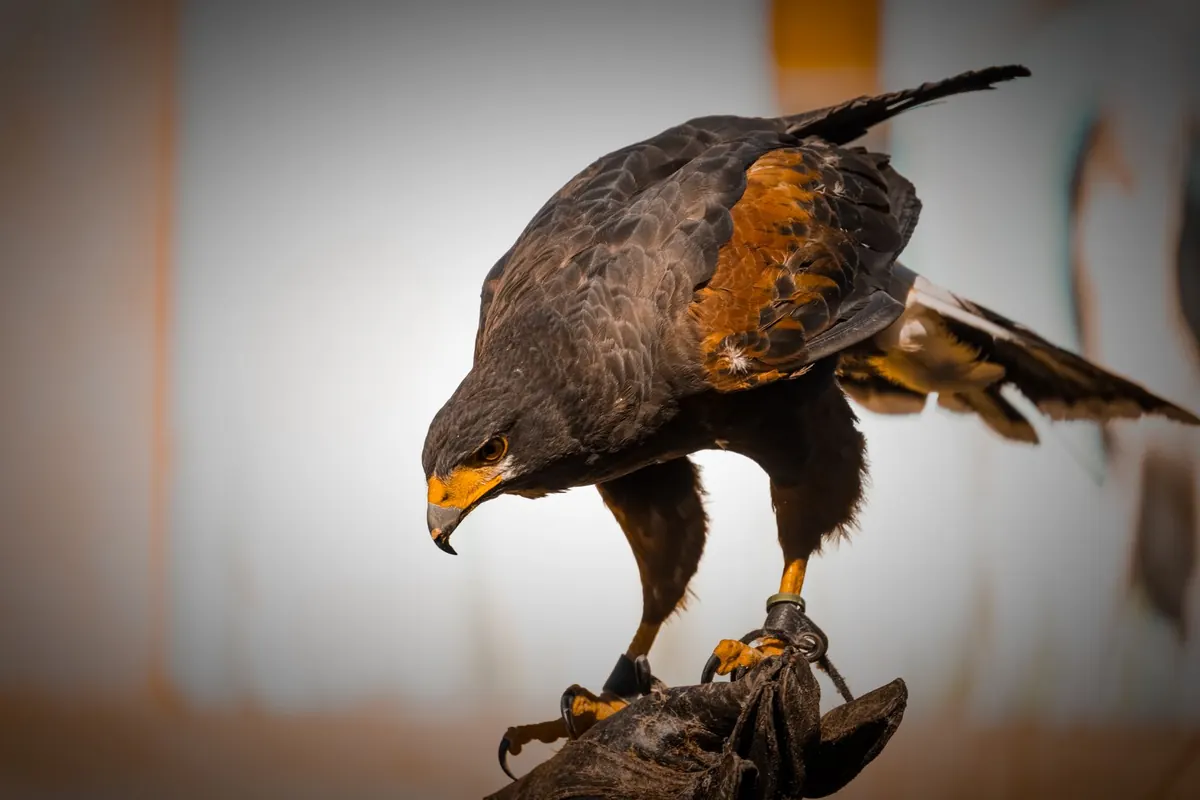
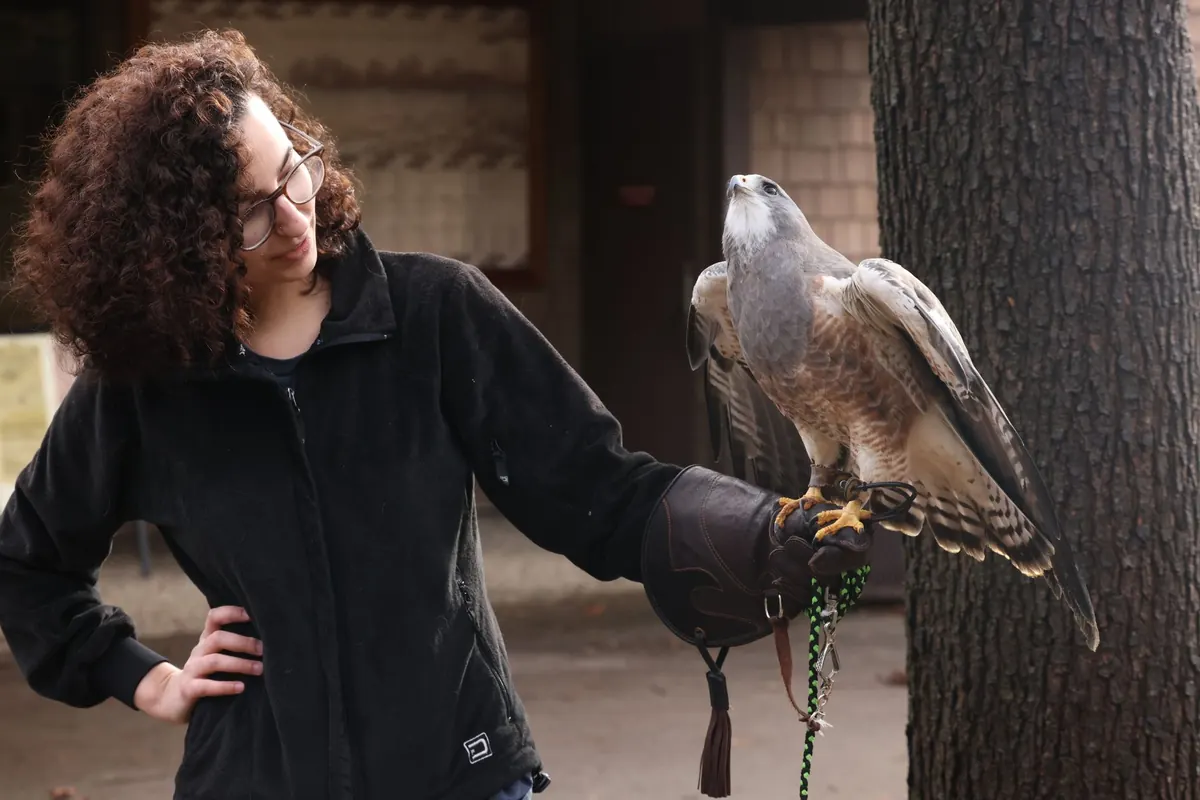
- A gauntlet — a proper falconry glove, not a gardening gauntlet. Fit matters more than brand.
- A swivel — connects jessies to leash and prevents twisting.
- A perch or bow perch — stable, correctly sized and set up indoors or in a sheltered weathering area.
- Scales and a weighing system — accurate, consistent weighing is central to everything you do.
- A carrying box — for transport, ventilated and secure.
- Lure or training equipment — depending on species and method.
Add a hood if you intend to work with a hawk that needs one, though many beginners start with a Harris hawk precisely because it copes well without. Buy good leather and good scales; skimp elsewhere.
Choosing your first bird
Opinions differ, but the traditional advice holds: start with a Harris hawk or a red-tailed hawk, both of which are forgiving, hardy and well suited to a beginner's mistakes. A kestrel or a barn owl might seem like an easier option, but small birds are less tolerant of handling errors than their size suggests.
Avoid anything rare, delicate or expensive for a first bird. You are learning a craft, not building a collection. Buy from a breeder who will show you the parents and answer questions afterwards, and ask to see the bird fly if it is already trained.
Anyone can own a bird of prey. Very few can keep one well. The difference is patience, routine and a willingness to keep learning.
What your first year will look like
Expect the first few months to be dominated by manning — getting the bird used to people, noise, dogs, cars and the general chaos of the world. This is slow work, done in short sessions, and it cannot be rushed.
Then comes weight management and basic training: recalling to the fist, flying to a lure, and gradually building fitness. Only after that do you think about hunting, and even then you will spend a lot of time walking fields with nothing to show for it. That is normal.
By the end of your first season you should be able to:
- Weigh and condition a bird confidently.
- Handle, hood and transport it without stress to either of you.
- Read its behaviour and recognise when something is wrong.
- Fly it free with a reasonable expectation of getting it back.
- Know when to call a vet experienced with birds of prey.
Keep a written log from day one: weight, food, weather, behaviour, anything unusual. It will teach you more than any book.
Practical next steps
Start by contacting a falconry club and booking onto a beginner's course or experience day. Spend a season helping someone else before you commit to a bird of your own. Confirm the licensing requirements for your part of the UK, arrange insurance, and set aside a realistic budget for equipment, food and veterinary care — falconry is not a cheap hobby, and the bird's welfare must come before your ambition.
Then be patient. The falconers worth learning from are the ones who took their time, made mistakes quietly, and kept a bird in good condition for twenty years. That is the standard to aim for.
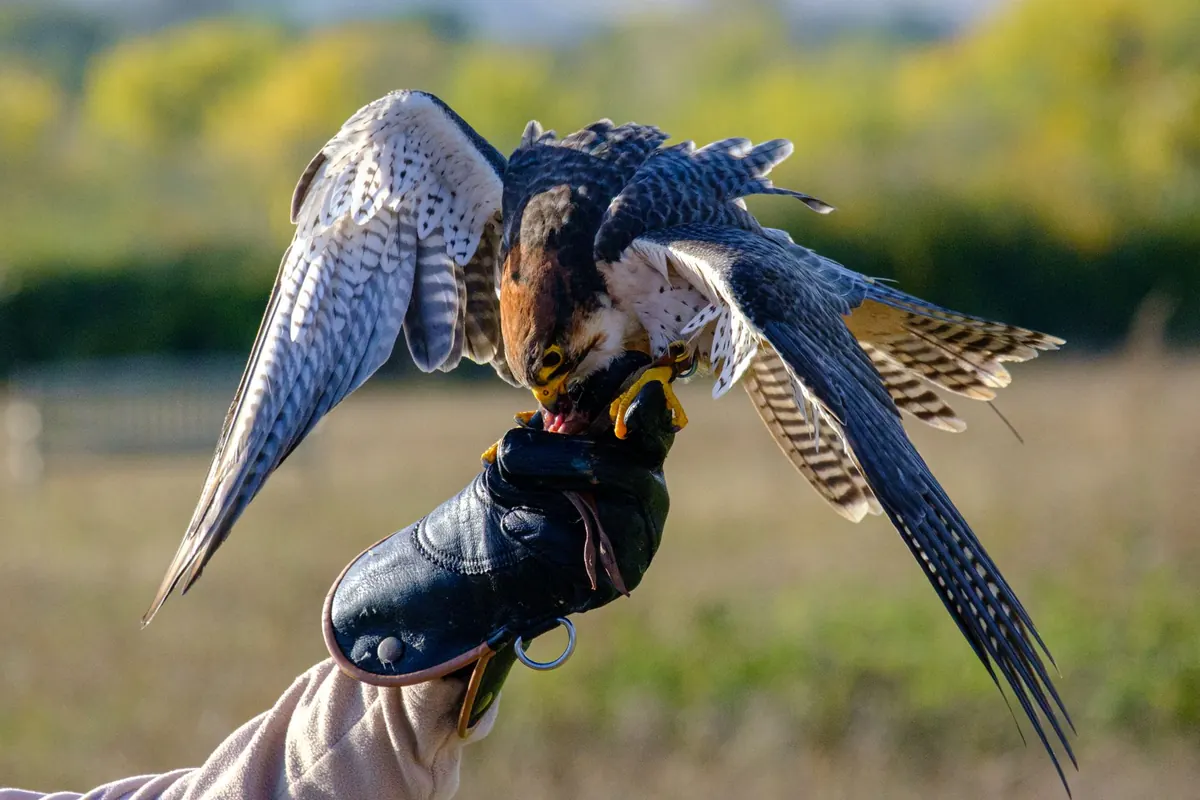
Photo: Sean P. Twomey / Pexels
You Might Also Like
A practical first aid checklist for falconers — controlling bleeding, supporting suspected fractures, and dealing with heat stress, poisoning and shock before you reach an avian vet.
Practical ways UK falconers can back raptor conservation — joining survey and nest-box projects, breeding responsibly, improving habitat and keeping records that stand up.