How to Man a New Hawk: Step-by-Step Taming and Socialisation
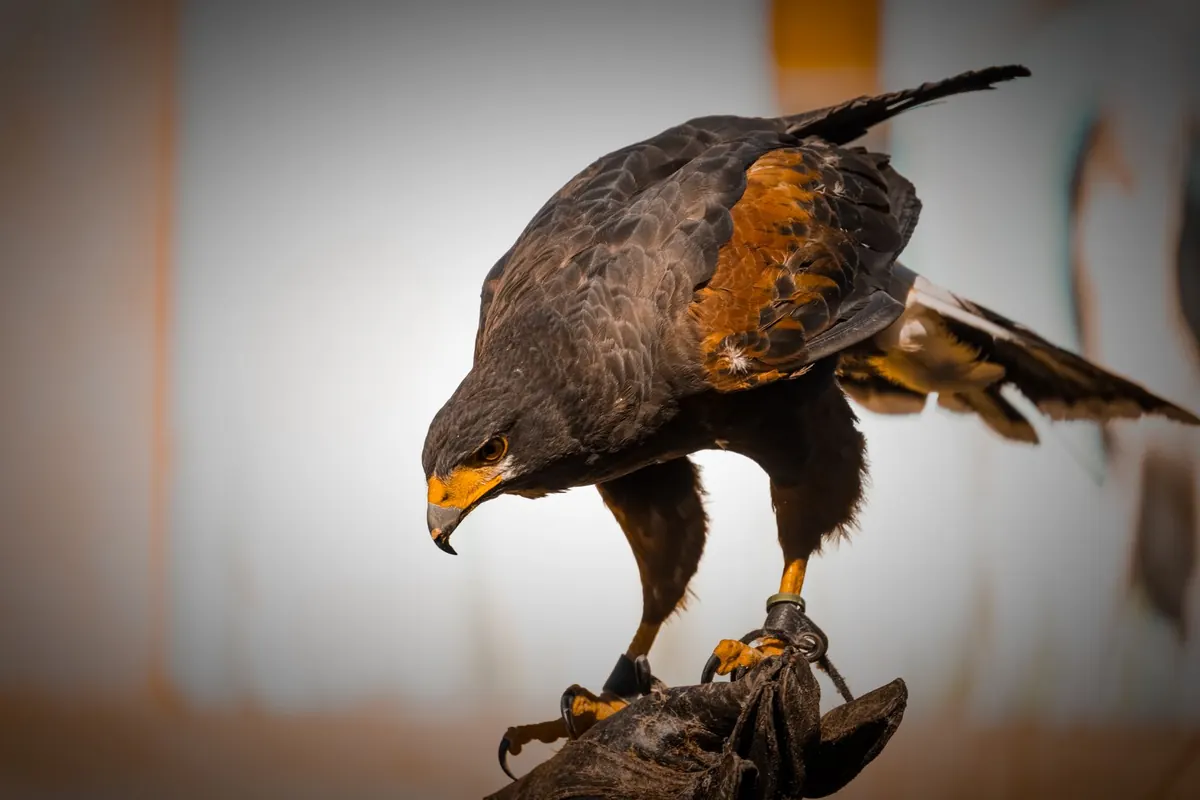
A new hawk will watch you long before it trusts you. That sideways stare from the block perch, feathers tight and body ready to launch, is not aggression — it is an honest assessment of a large animal that has just walked into its life. Manning is the work of changing that assessment.
It is not a single trick, and it is not a race. Manning means accustoming a hawk to people, to the glove, to the perch, to the clatter of a kitchen and the ordinary movement of a working day, until none of it is worth reacting to. Get it right and everything that follows — flying, hunting, recall — becomes far easier. Rush it, and you build a bird that bates every time a door closes.
Start With the Right Setup
Before the bird arrives, deal with the practicalities. A hawk manhandled out of a box in a busy hallway is already behind. Have everything ready, and have it quiet.
- A quiet, dim room with no windows or mirrors the bird can crash into.
- A stable block perch or bow perch at a height that lets you sit at eye level rather than loom over the bird.
- A well-fitting glove, broken in and clean. A glove that pinches or slips makes every contact worse.
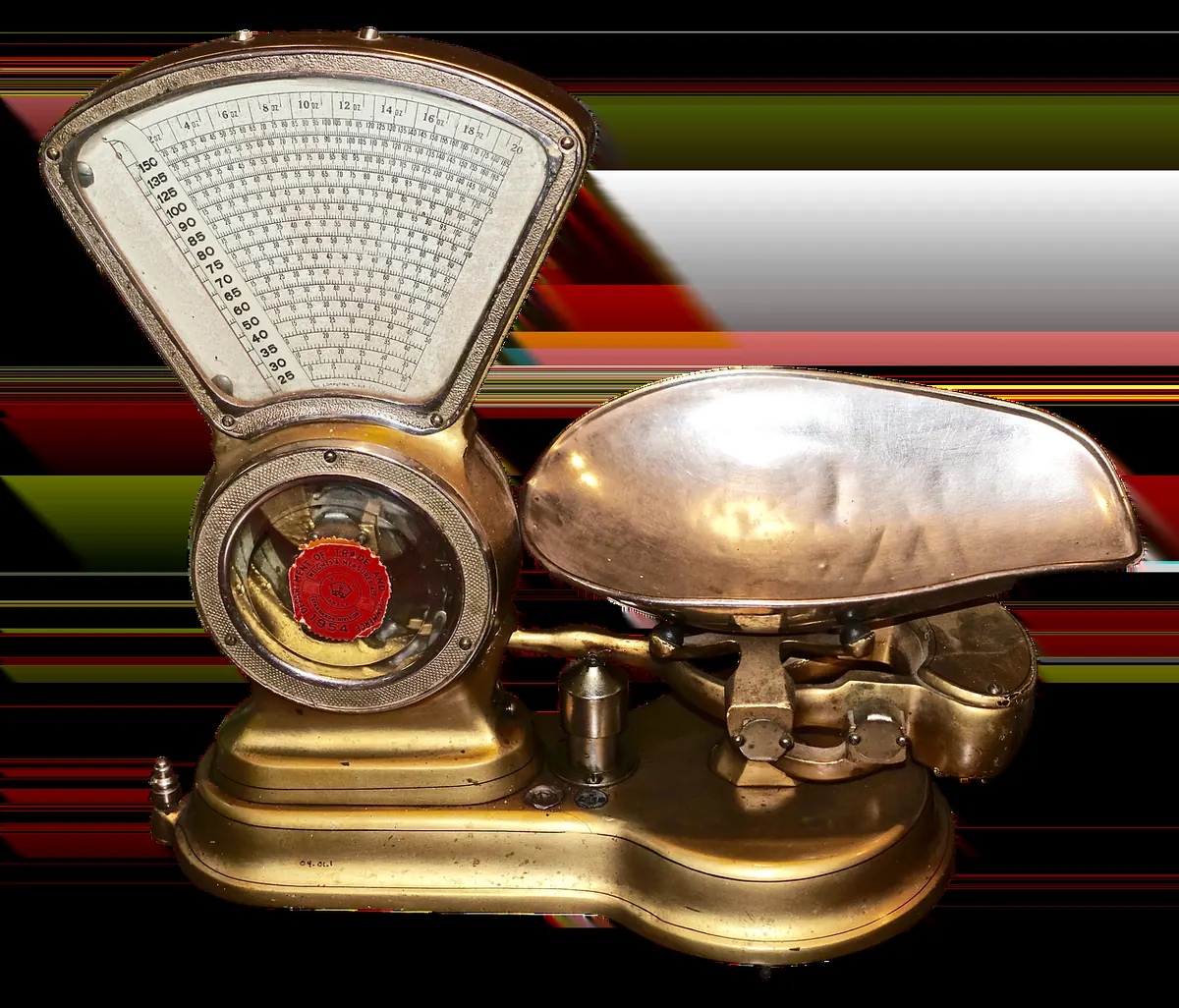
- Scales and a notebook. Weigh the hawk daily and record it — you cannot manage behaviour without knowing weight.
- Food prepared, weighed and ready before you begin a session.
- No dogs, cats or children drifting through for the first week.
It also helps to have an experienced falconer to call on. If you are new to hawks, ask someone with a well-manned bird to let you watch it — seeing a relaxed hawk teaches you more than any description. Check the current legal requirements for the species you intend to keep before you commit, as they vary and change.
The First Three Days: Quiet Contact
Days one to three are about presence, not progress. Put the hawk on the perch, sit a few feet away with a book or a mug of tea, and simply be there. Keep sessions to ten or fifteen minutes, several times a day, and leave before the bird becomes agitated.
Weight matters here. A hawk fed up to a full crop is not interested in you; a hawk that is too thin is stressed and a danger to itself. Work with a bird that is keen but not desperate — a little below its free-fed weight, arrived at slowly and recorded daily. Never take a bird down sharply to speed things along. If you are unsure what a healthy weight looks like for your species, ask a vet with avian experience.
From day two, offer small pieces of food from the glove. Keep your hand low and still, let the bird lean towards the food, and do not move towards the bird. Tidbits — slivers of day-old chick, quail or whatever your hawk is normally fed — do more for manning than anything else you can do.
Reading the Bird
You need to know what relaxation looks like before you can recognise it.
- Relaxed: sleek feathers, one foot tucked up, a rouse, preening on the fist, calm eating, looking around the room.
- Worried: bating hard off the fist, gaping, panting, tight plumage, tail flicking, freezing, turning away from you.
Learn the difference between stillness and fear. A settled hawk shifts its feet, rouses and looks about. A frightened hawk is either very still or flapping wildly on the end of the jesses. If you see the second, stop, step back a pace and let the bird settle. Pushing through a bate teaches nothing except that you cannot be trusted.
Adding the Room, the Perch and the Noise
Once the hawk steps to the glove readily and sits without bating, widen the world in small steps. Carry it on the fist around the room, then into a second room, then past a window. Then add sound: a radio on low, a kettle, a door closing, a vacuum in the next room. Change one thing at a time.
Move on to longer periods on the perch. A bird that will sit while you tidy up, talk to it and walk past it is genuinely manned. Introduce other people gradually — one calm adult, sitting still, offering food from the glove, is a good start. Ask them to keep their voice low and their movements slow.
Outdoors comes later, and it should come slowly: a quiet garden first, then a quiet field, then light foot traffic at a distance. Expect a setback the first time your hawk sees a dog, a cyclist or a low aircraft. Go back a step rather than pushing through the bating.
Using Positive Reinforcement Properly
Food is the tool. Every calm moment earns a tidbit; every retreat earns nothing. Time the reward within a second or two of the behaviour you want, so the bird links the food to what it just did, not to what it does next.
Never punish. Do not grab, snatch, jerk jesses or shout. A hawk does not learn trust through correction; it learns that certain movements predict food and safety, and that everything else is unremarkable.
Short, frequent sessions beat long ones. Five minutes three times a day achieves more than an hour of struggle. End on a success, however small, and put the bird back on its perch while it is still comfortable.
The Routine That Does the Work
Manning is not finished when the bird stops bating. It is maintained. A hawk handled daily stays manned; one left alone on a perch for a fortnight goes backwards and you start again. Build a routine — weigh, feed, handle, sit together — and keep to it. Fifteen unhurried minutes a day does more good than one long session at the weekend.
If your hawk bates constantly, refuses food or loses weight, stop and get help from an experienced falconer or an avian vet rather than pushing on. There is no prize for speed. A well-manned hawk is a pleasure for many years, and the patience you spend now is the foundation of everything you will do with it.
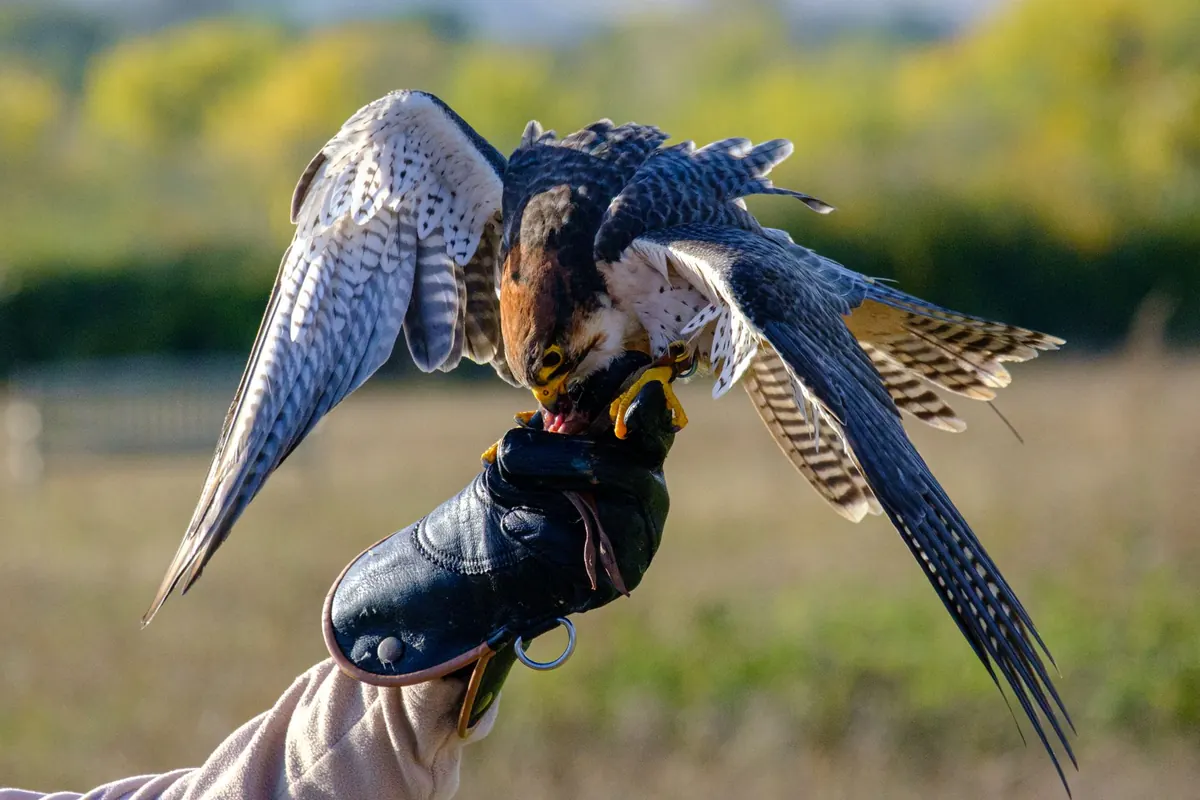
Photo: Charles Miller / Pexels
You Might Also Like
A practical first aid checklist for falconers — controlling bleeding, supporting suspected fractures, and dealing with heat stress, poisoning and shock before you reach an avian vet.
Practical ways UK falconers can back raptor conservation — joining survey and nest-box projects, breeding responsibly, improving habitat and keeping records that stand up.