10 Common Falconry Mistakes Beginners Make (and How to Avoid Them)
Falconry punishes shortcuts. A hawk has no interest in how many books you have read, and it will not forgive a mistake because you meant well. Most beginners make the same handful of errors in their first season, and almost all of them come from enthusiasm moving faster than experience. Here are the ones that catch people out most often, and how to sidestep them.
Treating a Hawk Like a Pet
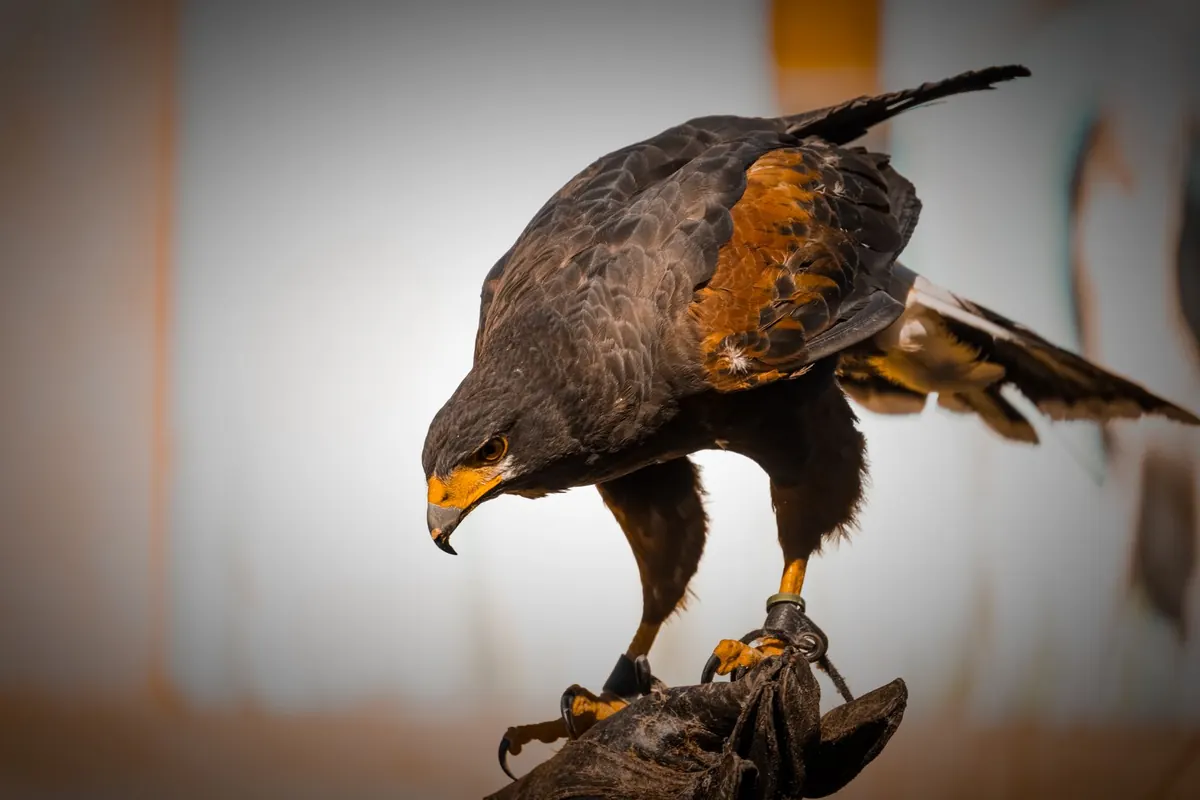
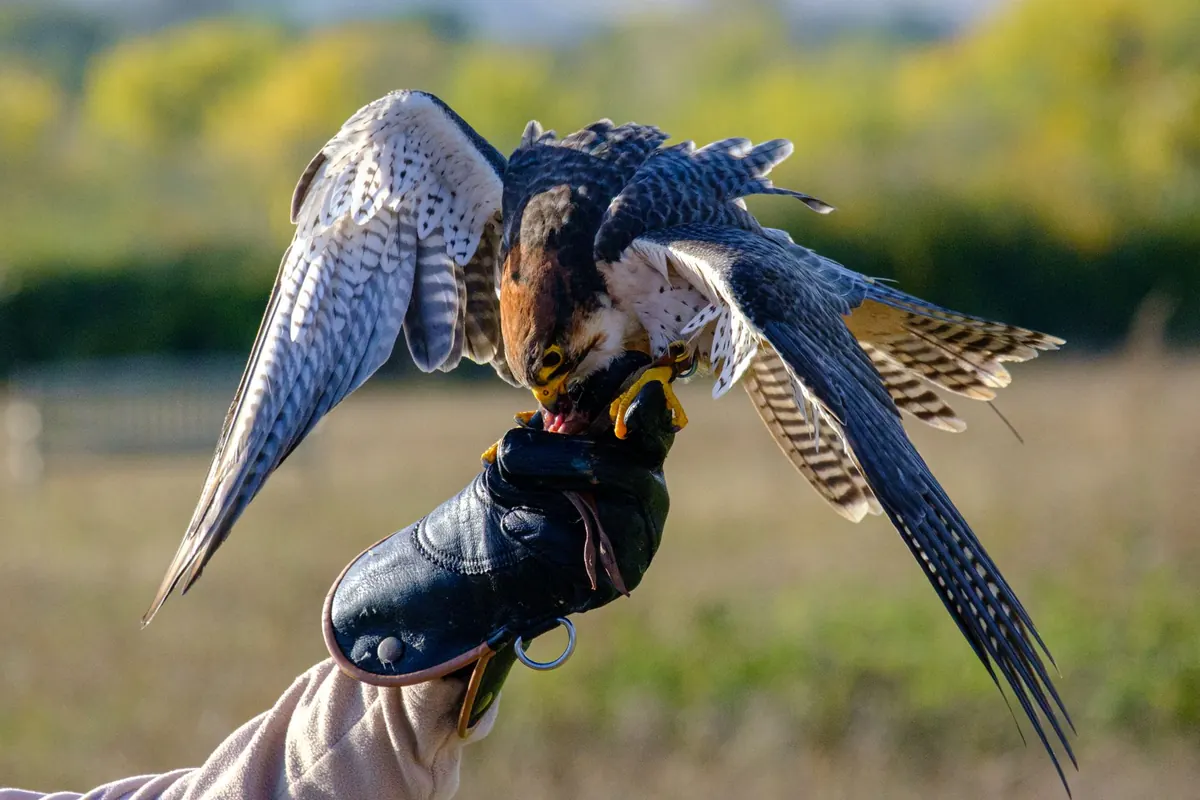
When a bird is on your fist, it should be there for a reason: manning, weighing, moving between perch and weathering area, or training. Raptors are not dogs. Most do not seek out touch, and stroking a hawk's chest or carrying it round the house while you do something else teaches it that the fist is an unstable, unpredictable place. The result is a bird that bates constantly, damages feathers and never settles.
Keep handling short and purposeful, always with the jesses held securely and both feet on the glove. When the session is done, put the bird on its perch and leave it be. A calm bird that sits still is worth far more than one that is handled all day.
Guessing at Weight Instead of Managing It
Weight is the single biggest variable in falconry, and the one beginners get wrong most often. Weigh your bird every day on the same scales, at the same time, before it is fed, and write the number down. Patterns matter more than any single reading. Dropping weight quickly to sharpen a bird is how people lose birds, and sometimes lose them for good.
Learn the difference between a bird that is keen and alert and one that has gone too low; the second is a welfare problem, not a training opportunity. Flying weight is not fixed. It shifts with weather, fitness, moult and the individual bird, so keep adjusting. If a bird is dull, cold or unresponsive, feed it up and speak to a vet who works with birds of prey. Never use hunger as a substitute for training.
Buying the Wrong Kit, Then Never Checking It
Ill-fitting jesses, a seized swivel, a leash too long for the job: small equipment failures become lost birds. Buy decent leather and metalwork from a supplier who understands falconry, and check everything before you go out rather than after.
The pre-flight check
- Swivels: they should turn freely. A stiff swivel twists the leash and snaps jesses.
- Jesses: supple, correct length, no cracking or stretching. Replace them before they fail.
- Anklets: snug and smooth, with no rubbing.
- Hood: fits without pressing on the eyes or leaving a gap at the neck.
- Perch: stable, off the ground and suited to the species.
- Bath and weathering area: clean, sheltered and safe from dogs, foxes and children.
Replace leather as routine maintenance, not as a reaction to a problem.
Rushing the Training
Manning comes first. Then stepping to the fist, then recall on a creance, then free flight. Skip a stage and you will repeat it later, usually with a more difficult bird. Beginners take a hawk out before it is steady, fly it in a strange place, or push it on a windy day when everything is against them. Each of those teaches the bird that leaving the fist is rewarding.
Work in short, quiet sessions. Finish while things are going well. Only remove the creance when the recall is instant and reliable in the place you actually intend to fly. Weeks is the right timescale; days is not.
If you are not sure the bird is ready, it is not ready.
Ignoring the Paperwork and the Law
You cannot take a bird of prey from the wild in the UK and train it. Birds must be legally acquired, and some species have to be registered with the relevant government authority; certain species also fall under international trade rules, and selling or transferring birds can carry conditions of its own.
Then there is the flying. You need the landowner's permission, you may only take quarry you are legally entitled to take, and only in season. You also have a duty of care to the bird under animal welfare law. Requirements change, so check the current position with the relevant authority or a knowledgeable club before you buy or fly anything. Poaching with a hawk is still poaching, and a forum post is not legal advice.
Getting the Housing and Routine Wrong
A hawk tethered on a perch in a dark shed with no bath and no shelter is not being kept, it is being stored. Birds need a weathering area where they can see out, shelter from wind and driving rain, a clean bath and a perch that suits their feet. They also need routine: fed at roughly the same time, weighed at roughly the same time, and left in peace for the rest of the day. Check the perch, leash and swivel daily, and never leave a tethered bird where a dog, fox or child can reach it.
Trying to Learn Alone
Books and videos are useful, but they cannot tell you whether your bird is sitting at the right weight or whether your jesses are too long. Join a local club, go out with experienced falconers and watch someone else fly before you buy a bird of your own. A good mentor will spot in five minutes what might take you a season to work out. Do not buy a hawk first and look for help afterwards.
First Steps That Save You a Season
Start smaller than you think. A sensible first season looks something like this:
- Join a club and find a mentor before you buy anything.
- Sort out housing, perch and weathering before the bird arrives.
- Buy good equipment and learn to check it daily.
- Start a weight log on day one and keep it honest.
- Spend as long as it takes on manning before you ask for anything else.
- Use a creance until the recall is boringly reliable.
You will make mistakes; everyone does. The aim is to make the small ones, catch them early and keep the bird safe while you learn.
Photo: minka2507 / Pixabay

You Might Also Like
A practical first aid checklist for falconers — controlling bleeding, supporting suspected fractures, and dealing with heat stress, poisoning and shock before you reach an avian vet.
Practical ways UK falconers can back raptor conservation — joining survey and nest-box projects, breeding responsibly, improving habitat and keeping records that stand up.